Affordable Vet Services: A Prairieville Animal Hospital Break‑down
When you share your life with a pet, you also share a budget. That simple fact becomes a daily balance between keeping a beloved animal healthy and managing the costs that come with care. Prairieville has a handful of clinics, but the way a hospital approaches pricing, value, and preventive strategy can make a real difference over a pet’s lifetime. This is not about cheap care or cutting corners. It is about practical, reliable veterinary service that respects the realities of a pet owner’s finances without compromising the well being of the animal.
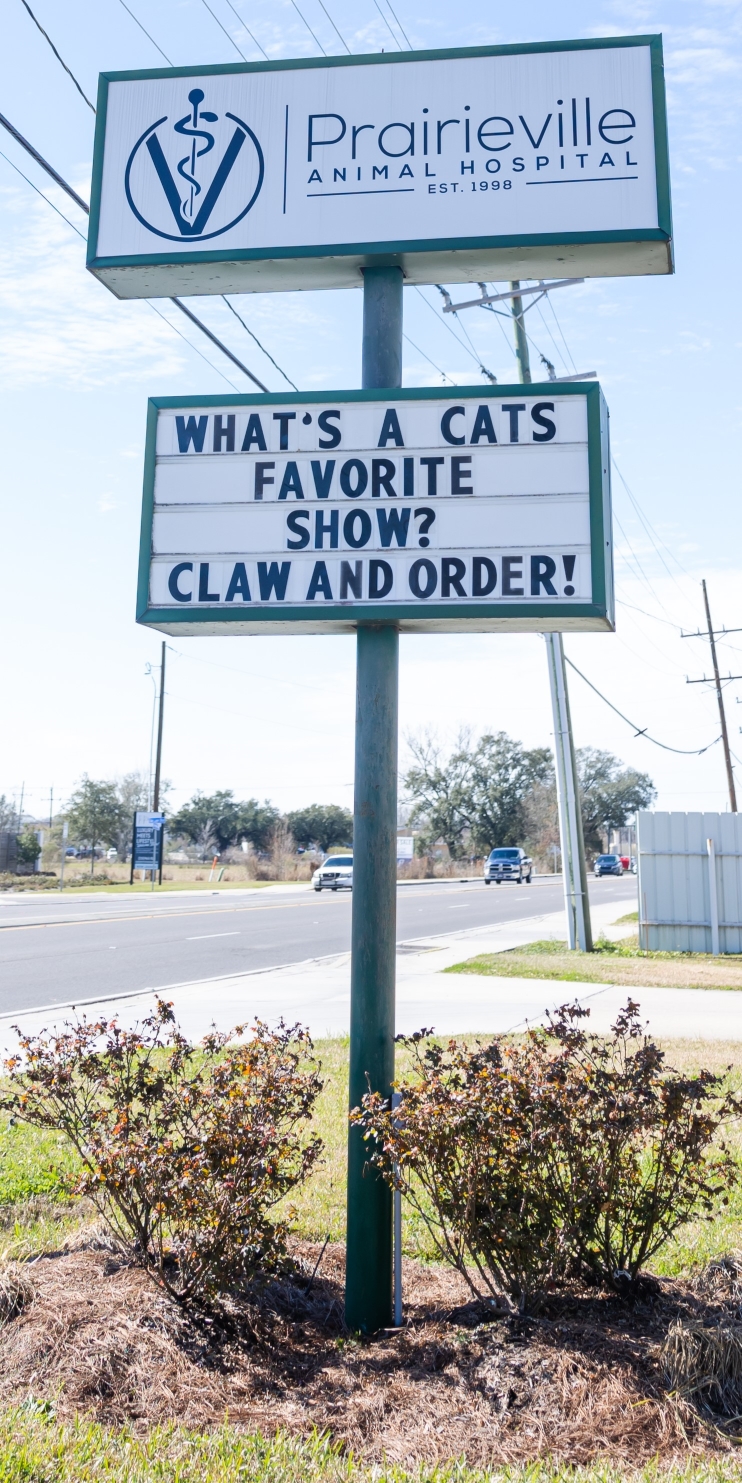
As a practicing clinician who has watched families navigate unexpected diagnoses, I’ve learned that the most meaningful conversations about cost happen before a crisis. They happen when you understand what services routinely cost, what preventive care actually saves in the long run, and how to expend careful effort on what truly matters for your pet. Prairieville Animal Hospital has earned a reputation in the community for clarity in pricing, transparent treatment plans, and a willingness to tailor care to individual needs. Below is a grounded, experience-based look at how affordable vet services show up in a real clinic setting and how you can approach care with both prudence and confidence.
A practical map of value, not just price
Cost in veterinary medicine is rarely a single figure. It is a bundle that includes exam time, diagnostic tests, medications, follow up, and sometimes the cost of time—both yours and the clinician’s. A common pitfall for pet owners is to focus only on the sticker price of a single visit or a specific procedure. In reality the most meaningful measure of value is the likelihood that a course of care will prevent a more expensive problem later on. Preventive care, efficient diagnostics, and clear communication about treatment goals all contribute to a lower total cost of ownership for a pet.

Let me share a few notes from the clinic floor. A routine wellness visit includes more than a quick look. It is a structured review of vaccination status, dental health, weight, and behavior. A thorough exam often reveals subtle issues that would not be obvious to a busy owner at home. The team takes time to explain what they see, what it means for the next year, and what options fit the family’s budget. The approach is to balance what is best for the animal with what the owner can sustain over time. When a problem emerges, the veterinarian near me Prairieville Animal Hospital will walk through test choices, potential treatments, and the expected trajectory of recovery. You won’t be left guessing about how much a plan costs or what alternatives exist.
Even with a straightforward case, costs accumulate in predictable ways. Routine vaccines, blood work, dental cleanings, and parasite prevention each carry their own price tag. But when you stack these elements in a preventive sequence, you often end up with a healthier pet and a more predictable bill, month to month. It is not only about avoiding illness; it is about reducing the chance of expensive interventions in the future. A pet who receives regular dental care, for example, tends to have fewer complications that require anesthesia and hospital stabilization later in life. That is not marketing; it is a pattern observed across many clinics, including Prairieville Animal Hospital, where preventive care is treated as the core of sustainable care rather than a luxury add-on.

Two guiding questions help families gauge value in veterinary care. First, what is the probability that this plan will detect a problem early enough to prevent serious illness or unnecessary discomfort for the pet? Second, what is the likelihood that the proposed treatment will result in a meaningful improvement in the pet’s quality of life, and can the family realistically maintain the plan? When these questions anchor the conversation, price discussions feel more connected to outcomes. You are not chasing a discount for the sake of it; you are seeking a transparent pathway to a well cared for animal without financial surprises.
Direct, useful strategies for affordability
The most effective way to approach affordability is to combine smart preventive choices with practical decision making during illness. Here are strategies that consistently work in real clinics, including Prairieville Animal Hospital.
- Schedule preventive care on a structured calendar. A predictable routine reduces the risk of lapses and missed vaccines, which in turn minimizes the chance of urgent treatment needs. For many dogs and cats, a yearly wellness visit, a dental assessment, and quarterly parasite protection is a sound baseline. For senior pets or those with chronic conditions, more frequent oversight becomes necessary. Planning around a single calendar year makes costs easier to manage and keeps care steady.
- Prioritize vaccines and parasite prevention wisely. Vaccinations protect against serious diseases that are often costly to treat and emotionally devastating for families. Parasite prevention protects against worms, fleas, and ticks, which can require multiple medications or more intensive therapy if infestations occur. When discussing vaccines, ask about the recommended schedule for your pet’s age and lifestyle and whether any boosters can be aligned with other procedures to reduce overall visits.
- Use diagnostic testing judiciously. A focused set of tests can answer most questions without sending a bill spiraling. Start with a clear clinical question and choose the tests that directly address it. If a test is unlikely to change your plan, it is worth reconsidering. A clinic with transparent pricing can walk you through the reasoning, facilitating shared decision making rather than a medical mystery.
- Seek price clarity on medications and supplies. The cost of medications can surprise families when refills are required. Ask for generic options where available and discuss whether a shorter course combined with monitoring could suffice. Some clinics offer in-house pharmacy options or cost comparisons across suppliers, which can noticeably reduce the ongoing expense of chronic therapy.
- Consider a care plan for chronic conditions. Pets with diabetes, kidney disease, or thyroid imbalances often benefit from a structured plan that includes regular monitoring and a clear timeline for labs and adjustments. A well designed plan reduces expensive emergency visits and creates a predictable monthly expense. The key is a transparent agreement about what success looks like and how costs scale as the condition evolves.
- Leverage community resources and payment options. Some clinics maintain ties with local rescue groups, charitable care funds, or wellness programs that help with preventive care or acute episodes. If a sudden illness threatens affordability, ask about payment plans or financing options. Many clinics will work with families to develop a feasible plan rather than turning away care.
A real world look at what affordable care looks like day to day
In practice the question is not merely what a service costs, but how it fits into a broader plan. A standard wellness visit at Prairieville Animal Hospital typically includes a physical exam, a review of vaccination history, weight assessment, and a discussion about preventive care tailored to the pet’s age and lifestyle. It is not a routine once over; it is an interactive assessment with a shared plan for the next year. The clinician may suggest dental cleaning or dental radiographs if signs of dental disease exist or if the dog is over the age when dental issues become more likely. The dental procedure, like all treatments, carries cost and risk, but the long term benefit in improved appetite, energy, and general comfort is measurable.
When an illness surfaces, the process shifts. A dog presenting with vomiting and dehydration, or a cat with reduced appetite, prompts a triage and a series of logical next steps. The veterinarian explains the rationale behind each diagnostic choice and the expected outcomes. If blood work is indicated, the team discusses what the results might mean and how they could change the treatment plan. This is where affordability becomes concrete: you are weighing the probability of a correct diagnosis and the confidence that the suggested therapy will resolve the issue. In many cases a staged approach can manage costs without compromising care. For instance, starting with a basic panel and then expanding testing only if results indicate further investigation is warranted.
Edge cases where cost and care collide
There are moments when severity, not budget, drives the decision. A sudden, life threatening emergency may require rapid intervention, and the costs can climb quickly. In those moments, a clinic’s ability to explain the rationale for every intervention is crucial. Family members may ask for alternative treatments or question whether surgery is truly necessary. A good clinician recognizes the emotional weight of those questions and responds with clear, evidence based information and a candid discussion of risks, benefits, and the likely outcomes. It is not about shaming financial constraints but about aligning expectations with what is medically justified and practically sustainable.
On the preventive side, aging pets often present a nuanced picture. A senior dog or cat frequently benefits from a suite of frequent checks, gentle diagnostic work, and adjustments to diet and activity. The challenge is balancing what the animal needs most in the present with what can be afforded in the near term. Senior pet care becomes an ongoing conversation rather than a one time event. The clinic’s approach is to propose a sensible baseline, then add or subtract services as the pet’s health status evolves. This is where transparency about cost becomes a steady anchor rather than a source of anxiety.
Two practical lists you can use in conversations with Prairieville Animal Hospital
-
How to structure a preventive plan that stays affordable 1) Establish a baseline wellness visit annually, with a dental check as part of the same appointment when possible. 2) Schedule vaccines on a predictable cadence and bundle them with other routine services to minimize separate visits. 3) Implement a quarterly parasite prevention plan and align it with other medications to reduce the number of pharmacy pickups. 4) Set a simple monitoring routine at home with a short checklist for weight, appetite, and energy, and bring any concerns to the next visit. 5) Review the care plan with the veterinarian at least once a year to confirm it still matches the pet’s needs and the family’s budget.
-
What to ask during a first visit about affordable care 1) How is the overall cost of care projected for the next 12 months based on the animal’s age and lifestyle? 2) Which tests are essential now, and which can be deferred until a problem arises? 3) Are there generic medication options, and is there a preferred supplier or in house pharmacy that reduces cost? 4) Can we combine preventive care with other necessary services to reduce total visits? 5) What payment options exist if a larger treatment becomes necessary in the near term?
These lists are tools, not rules. They are meant to help a family have clear, productive conversations with the Prairieville Animal Hospital team. The goal is to replace guesswork with a shared understanding of priorities, timelines, and trade offs. A practice that communicates well about costs tends to deliver care that is both thorough and affordable in the long run.
Practical examples from the field
Consider a medium sized mixed breed dog named Riley who weighs around 50 pounds. Riley comes in for a routine wellness visit plus a dental check. The team reviews Riley’s vaccination status, confirms a heartworm test is as appropriate given the local climate, and notices mild tartar buildup. Rather than pushing for a full dental scaling immediately, the clinician suggests starting with a dental cleaning in six months if the tartar increases, paired with a home dental care plan. The price is explained up front, and the family understands how delaying the procedure affects future costs. When the time comes, a scheduled plan minimizes Riley’s anesthesia risk and provides a clear, affordable path forward.
In another case a senior cat named Mira presents with weight loss and decreased appetite. The veterinarian near me Prairieville Animal Hospital explains that Mira’s symptoms could be due to a chronic condition such as hyperthyroidism or kidney disease. The team proposes a diagnostic ladder: initial blood work, a basic urine analysis, and then a targeted panel if results indicate. The discussion centers on how each test would influence the treatment plan, with an emphasis on quality of life. The family leaves with a suggested budget for the next month that feels manageable and has already accounted for adjustments if more testing is necessary.
For families facing a constrained budget, it helps to think about care as a sequence rather than a single act. An urgent problem is always most important to address, but equally critical is ensuring that routine care remains feasible. The model that Prairieville Animal Hospital seems to promote is one of ongoing, open conversation about cost, priorities, and outcomes. The result is not a pared down version of care, but a pragmatic approach to keeping a beloved pet healthy without turning a routine visit into a financial surprise.
What affordable care does not mean here
Affordable care does not translate into minimal attention or skipped treatments. It means careful triage, transparent pricing, and a plan that adapts as the animal’s status evolves. It means a clinician who will tell you honestly when a cheaper option might be suboptimal or when an investment now will prevent expensive complications later. It is about a partnership with the client, where both parties understand the practical implications of each choice. You do not have to accept a one size fits all approach. You deserve a care plan that respects your pet and your resources.
The value of a trusted local animal clinic near me Prairieville Animal Hospital
There is value in familiarity. When a clinic gets to know your pet’s history, it can distinguish between a normal seasonal fluctuation and something that requires closer scrutiny. The sense that you are not just another chart in a busy clinic can make a big difference when you are trying to navigate pricing. Prairieville Animal Hospital has a track record of building relationships with clients, explaining the reasoning behind recommendations, and providing options that fit real life. This is not a marketing line. It is the result of clinicians who see hundreds of animals, many with complex histories, and who still manage cost in a way that is humane and practical.
The role of preventive pet care in controlling long term costs
Preventive care is often thought of as a moral or cosmetic choice, but in veterinary medicine it also carries measurable financial benefits. Regular dental care, vaccines, weight management, and early disease detection lead to fewer emergencies, fewer medications, and less aggressive treatment in later years. In practice the savings are not always dramatically visible in the short term, but across an animal’s lifetime the difference is real. A well cared for pet tends to have better activity levels, fewer visits to the emergency room, and a greater likelihood of enjoying a longer, healthier life.
Senior pet care deserves particular attention. As animals age their veterinary needs shift toward chronic disease management, translational testing, and sometimes palliative measures. A clinic that plans ahead with a senior pet care strategy can help families understand what to budget for and what to expect. It is not doom and gloom; it is a realistic, compassionate framework for supporting an aging companion without forcing financial hardship on the owner.
The bottom line for affordable vet services at Prairieville Animal Hospital
What matters most is how a clinic integrates affordability into real care rather than how cheaply it can operate. The best value shows up in clear explanations, predictable scheduling, and a willingness to tailor plans to the family’s circumstances. A well run practice will not pretend that all problems can be solved cheaply, nor will it shy away from necessary interventions. Instead it will offer a range of options, a structure for decision making, and a spirit of partnership with the pet owner.
If you are thinking about how to approach care for your own pet, start with a conversation that frames costs within the broader goals for your animal’s health. Ask about the typical cost of a year of preventive care for a dog or cat of similar age. Inquire about the possibility of combining services in a single visit to reduce travel or anesthesia exposure. Explore the clinic’s approach to chronic disease management and how it handles emergency scenarios when cost is a factor. Most importantly, look for a clinician who invites your questions and who explains each choice with patience and clarity.
Closing thoughts for families navigating veterinary costs
Affordability is not a substitute for quality. It is a discipline that requires upfront planning, clear communication, and a willingness to adjust as life with your pet evolves. You owe it to your animal to seek out a clinic that treats cost as part of a comprehensive care plan. Prairieville Animal Hospital offers a concrete example of how this can work in practice: a focused emphasis on preventive care, honest dialogue about pricing, and a collaborative approach to decision making that respects both the animal and the budget.
In the end, the aim is straightforward. You want a healthy, thriving animal and a care plan that you can sustain without sacrificing essential needs. When the people and the patient are aligned, the work becomes more than a transaction. It becomes a practical partnership that keeps tails wagging, purrs steady, and the daily life of a household predictable in the best possible animal hospital prairieville way. That is affordable veterinary care in its truest form, and it is the kind of service Prairieville residents deserve.