Pet Dental Care: Preventive Step from Prairieville Animal Hospital
Years of tending to small quirks and big concerns in Prairieville have taught me this: a pet’s mouth is a gateway to overall health. When I meet a new family, the first health checkpoint I clock is dental. Not because teeth are the only thing that matters, but because dental health is a reliable window into how well a pet is eating, how they’re handling stress, and how their body distributes energy from food. The practice at Prairieville Animal Hospital has deep roots in preventive care, and it shows in the way we coach owners to think about dental health as a year‑round responsibility, not a once‑a‑year event at the annual exam.
What makes dental care feel personal in a veterinary clinic prairievilleanimalhospital.com is the blend of clinical know‑how and everyday life realities. We don’t just catalog molars and gingiva; we observe how a pet’s habits, diet, and environment shape their mouth’s health. A dog who loves chewy treats may develop a different rhythm than a cat who prefers soft kibble and a little postoperative pressure from stress. Each animal writes a distinct dental story, and our job is to read it clearly enough for families to take practical next steps.
In this piece I’ll walk you through why preventive dental care matters, how a typical wellness visit threads dental health into broader care, and what you can actually do at home. You’ll see patient examples from our practice, honest discussions about costs and trade-offs, and real world tips that can be implemented without a steep learning curve. The goal is not to overwhelm you with jargon but to empower you with a straightforward plan that fits a busy life.
Why dental health matters beyond a bright smile
In clinical terms, dental disease is one of the most common problems we encounter in companion animals. We’re not simply chasing white teeth for vanity; we’re preventing pain, infection, and systemic effects that can sneak in through the mouth and settle in other organs. Bacteria from gum disease can travel through the bloodstream and affect the heart, kidneys, and liver. The trajectory is often subtle at first, sometimes bumping into a routine wellness exam as a secondary finding. When we catch things early, we’re reducing pain and extending quality of life for years.
For families, the practical takeaway is simple: a healthy mouth often correlates with a pet that eats well, plays comfortably, and sleeps with fewer irritations. The pet who avoids chewing on hard objects, who tolerates brushing better, and who doesn’t show reluctance to take meds or have a thyroid test becomes a better patient for every other preventive measure we offer. It isn’t dramatic, but it is meaningful in routine daily life.
What happens during a wellness exam at Prairieville Animal Hospital
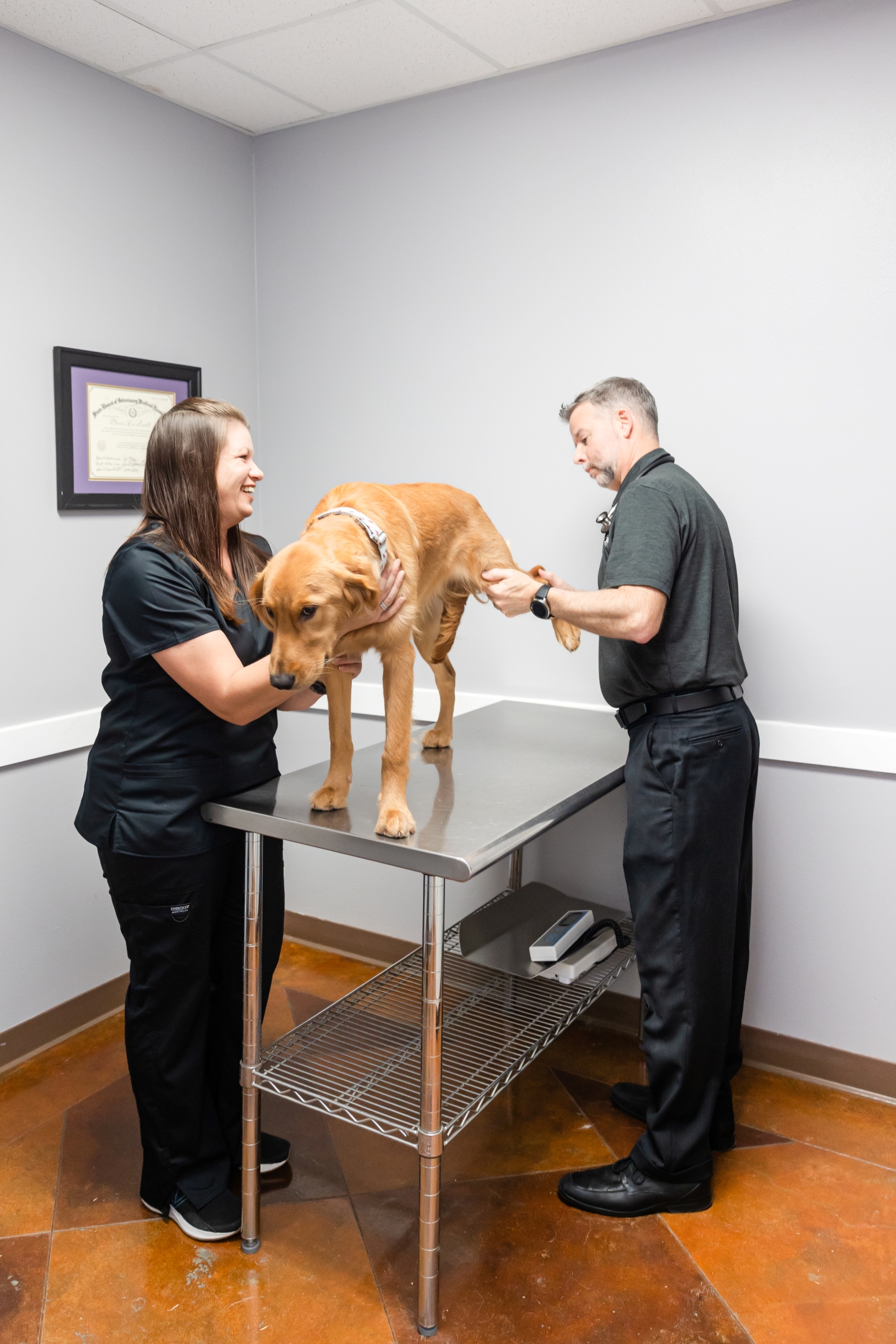
A pet wellness exam is not a dental exam in isolation, though dental health is a critical thread. At Prairieville, we structure visits so that the mouth is assessed alongside weight, heart and lung function, joint range of motion, hydration status, and behavior. A common pattern you’ll encounter begins with a quick survey of how the pet’s appetite and energy levels have held up since the last visit. The veterinarian or technician will then inspect teeth and gums, looking for tartar buildup, gingivitis, loose teeth, or obvious abnormalities in the tongue and soft palate.
If we uncover signs that require deeper attention, we’ll discuss a plan that may include professional cleaning under anesthesia, radiographs of the teeth, or adjustments to home care. The important part is transparency about what we’re seeing and what the next steps mean for your pet’s comfort and overall health. We also emphasize the timing of dental work in relation to vaccines, spay and neuter plans, and any existing medical conditions. It’s a coordinated approach, not a stand‑alone procedure.
The preventive arc: from curiosity to routine

When families first bring a pet in, the likelihood of needing a dental procedure over the next year is surprisingly high. The conversation often starts with a simple question: do you brush at home? Even a modest routine can slow the pace of tartar formation, but many owners underestimate how quickly plaque becomes calculus, how sensitive gums can become, and how pets react emotionally to dental care. We emphasize a gentle, gradual ramp up rather than a forced nightly ritual. The goal is sustainable care, not heroic but unsustainable efforts.
In practice, preventive dental care falls into three buckets: at‑home maintenance, professional cleanings, and ongoing monitoring. Each bucket supports the others. At‑home maintenance delays the need for anesthesia based dental procedures while still preserving animal comfort and social behavior. Professional cleanings remove built up tartar below the gum line and address issues that can’t be seen from the outside. Ongoing monitoring ensures we stay ahead of changes as the pet ages and as habits shift.
A practical approach you can adopt
I have found that families succeed when they adopt a simple, repeatable routine. It’s easier to maintain a habit if you visualize a path you can walk without a lot of friction. Here is a straightforward plan that blends seamlessly into daily life.
Two essential routines you can start today
-
Daily quick tooth checks for the mouth and gums. Stand back and observe breath, gum color, and any obvious swelling or sores. A lot of small concerns are easier to catch visually than to hear about later. If you notice persistent redness along the gum line, bleeding when touched, or a foul breath that doesn’t improve after a week of standard care, mention it at the next visit. Quick checks reinforce attention to small shifts over time.
-
Gentle brushing with the right tools. Use a pet‑specific toothpaste and a soft brush, or even a clean finger brush if your pet resists a full brush at first. The idea is to create a rhythm where brushing becomes part of treating your companion with care, not a battlefield. Start with 30 seconds and build toward two minutes as comfort grows. The most important feature is consistency; even a few strokes most evenings are better than a sporadic, intense session once a week.
Two lists maximum, each with up to five items
-
Home care steps that yield results
-
Choose a consistent time for brushing to build routine
-
Use a toothpaste formulated for pets, never human toothpaste
-
Start with short sessions and reward the pet with praise or a treat
-
Integrate dental-friendly chew toys as a supplement, not a replacement
-
Track progress at each visit to show improvement or identify stubborn spots
-
When to seek professional guidance between wellness exams
-
Sudden reluctance to eat or chew on one side of the mouth
-
Visible swelling or a loose tooth
-
Persistent bad breath despite brushing
-
Drooling that seems unusual or out of character
-
Recurrent mouth or facial swelling after meals or play
What makes a professional cleaning different
A professional dental cleaning is more than removing surface tartar. It involves scale and polish, but the real value lies in the thorough assessment that happens under anesthesia. Anesthesia allows complete and careful examination without distress, ensuring no pockets of infection are missed and that every tooth is considered for potential extraction if necessary. Modern practices, including Prairieville Animal Hospital, tailor anesthesia protocols to the animal’s health status, age, and prior medical history. The team reviews preanesthetic blood work, assesses airway and breathing compatibility during the procedure, and plans pain management that minimizes post‑operative discomfort.
The aim, always, is to minimize risk while maximizing the long‑term health benefit. If a tooth extraction is needed, the decision is not taken lightly. We consider how the loss of that tooth will affect chewing, how it will influence dietary choices, and whether there is associated periodontal disease that could become a more serious problem later. The conversations with families are frank and anchored in the animal’s best interest. We don’t shy away from tough topics, but we translate them into practical outcomes that you can plan around.
Real world challenges and how we approach them
Dental care in pets is not a perfect system where every mouth gleams on the first visit. There are constraints, particularly when a pet has anxiety, a recent illness, or concurrent medications. In some homes, access to routine dental care is limited by time, finances, or transportation. We respect those realities and aim to offer alternatives that keep the door open to better health.
One common edge case is a senior dog or cat that has never had consistent dental care. In these situations, we begin with the smallest feasible steps. We might start with a warm, steady brushing routine at a slow pace, paired with a chew toy designed to reduce plaque. We’ll plan a progressive screening during a wellness visit and discuss a phased approach to anesthesia for a professional cleaning if the mouth shows signs that profits from a deeper intervention. The key is to avoid sudden, all‑at‑once treatment that could overwhelm the pet or the family.
Another challenging scenario is a pet with a history of respiratory or cardiac concerns. Anesthesia in these cases requires meticulous planning and collaboration with the owner about the benefits versus risks. We’ll often pair preoperative testing with a tailored anesthesia plan and close post‑operative monitoring. It’s not a one‑size‑fits‑all approach; it’s a careful balancing act that prioritizes safety and comfort.
Diet, treats, and their role in dental health
Diet is not a cure‑all, but it matters. Some diets are designed to reduce plaque accumulation, while others may contribute to higher risk if they create a sticky residue or encourage frequent snacking. The veterinary nutritionist within our practice can help you interpret labels and choose options that suit your pet’s age, weight, and health status. We don’t promise dramatic miracles, but a thoughtful combination of diet and at‑home care can slow calculus buildup significantly.
In practice, I’ve seen cases where a small shift in feeding routine, paired with a weekly dental rinse recommended by our team, produced measurable improvements in gum health within a few months. It’s about what you can sustain over the long haul, not about quick pet care prairieville la fixes that vanish when habits lapse.
What to expect at your next Prairieville appointment
If you’re due for a wellness visit, you’ll find a familiar pattern: a conversation about appetite, activity, and overall comfort followed by a careful mouth inspection. If the mouth looks largely healthy, we’ll discuss a plan for ongoing maintenance, including brushing technique, the best dental chews for your pet, and what signs to watch for between visits. If there are issues, we’ll walk you through a transparent plan with realistic timelines. For many families, this means scheduling a professional cleaning within a specific window, arranging preanesthetic testing, and coordinating with other upcoming procedures such as spay and neuter. We’re careful to align dental care with the broader health timeline so that the care makes sense in the context of everything else happening with the pet.
Communication is a cornerstone of good care here. We encourage families to call if they notice any of the red flags we’ve discussed or if they simply want to refresh brushing technique before the next appointment. The staff at prairievilleanimalhospital.com pet dental care is there to support you, not lecture you, and we aim to empower owners with practical, actionable steps.
The cost conversation, honestly handled
Costs for dental care vary with the scope of the procedure and the animal’s overall health. A routine cleaning under anesthesia includes anesthesia, professional cleaning, polishing, and a thorough exam that may reveal the need for extractions or radiographs. Radiographs can uncover issues below the gum line that aren’t visible to the eye, and those findings drive the final treatment plan. If you’re comparing clinics, look for transparency about what’s included in the quoted price, what might change if extractions are necessary, and what post‑operative expectations look like in terms of activity restrictions and medications. The goal is to avoid surprises and to ensure you understand the value you’re receiving for preventive care that can reduce pain and disease later on.
A note on spay and neuter and its relation to dental health
Spay and neuter visits are common in our practice, and we often incorporate dental health discussions into those visits. The timing of elective procedures can influence when a cleaning is performed. We don’t rush into dental work at the expense of safety, but we do recognize that aligning surgical readiness with dental health often yields the best long‑term results. If a senior pet needs both a dental evaluation and a surgical plan, we’ll provide a consolidated plan so you understand how the pieces fit together.
The lived experience of practicing preventive dentistry
I’ve watched families over the years lean into preventive dental care and reap tangible rewards: fewer visits for acute mouth pain, steadier eating patterns, and more predictable daily routines without surprise discomfort. There’s something quietly satisfying about seeing a normally hesitant pet start to tolerate brushing because the experience has become a shared ritual with the owner. A dog who once resisted a toothbrush becomes a partner in care, and that shift changes the tone of the entire household.
Edge cases always keep you honest. There are pets with congenital dental anomalies, cats with dense tartar that resists removal, and senior animals whose nerves are frayed by new sensations. In those moments we lean on our team’s experience and the owners’ patience. We calibrate expectations and keep the focus on safety, comfort, and gradual progress. The reward is a pet who is more eager to participate in daily life, a consistent eater, and a companion who enjoys play without pain.
An evolving standard of care
Dental care has advanced in measurable ways. We’ve embraced more precise instrumentation, updated anesthesia protocols tailored to older pets, and a broader menu of noninvasive options for home care. The trend toward preventive strategies that are practical for families, not exclusively clinical, is clear. We’ve learned to listen more carefully to how a household’s routines shape a pet’s mouth and what it takes to sustain care across the animal’s lifespan.
If you’re new to Prairieville Animal Hospital or if you’re returning after some time away, consider bookending your next wellness visit with a dental check. The mouth doesn’t hide its pain the same way a knee or a back does. It speaks through subtle changes: less interest in chewing, a reluctance to flirt with favorite toys, or quiet, lingering breath that signals a micro‑problem brewing under the surface. You don’t have to wait for a crisis to act. A proactive stance, rooted in practical at‑home care and supported by professional cleanings when needed, keeps a pet healthier and happier for longer.
A brief reflection on the human side of dental care
Our work with families often circles back to something deceptively simple: small, consistent actions compound. The difference between a pet who tolerates brushing with a gentle approach and one who resists seems minor in the moment, but the long view is significant. It translates into fewer painful encounters, a slower decline in dental function as the pet ages, and a more harmonious daily routine for everyone in the household. The care team at prairievilleanimalhospital.com spares families from the sense that dental care is a distant medical obligation. We make it part of everyday life, something you can integrate without drama, something that respects the animal’s comfort and your time.
If you’re weighing options or trying to prioritize your pet’s health, start with the mouth. It is the most direct portal to well‑being, and investing in it now pays dividends across years of companionship. At Prairieville, we’re committed to guiding you through that investment with clarity, empathy, and a pragmatic plan that you can live with. The goal is not perfect teeth on day one, but steady progress and a plan you can sustain.
Closing thoughts for families who want to act now
Begin with one practical step you can repeat for a month. Maybe it’s brushing for two minutes every evening, using a pet toothpaste, and finishing with a reward that makes the routine feel like a positive shared activity. Track what you observe in the mouth and in behavior. Bring those notes to your next wellness exam so we can tailor the plan to your pet’s progress. If a cleaning becomes part of the plan, we’ll tackle it as a measured, transparent step, and we’ll align it with the broader timeline of vaccines, spay and neuter, or any medical considerations that require attention.
The work is ongoing, but the payoff is meaningful. A pet who smiles more, eats with confidence, and moves with less discomfort is a clear sign that preventive dental care has become a reliable ally in daily life. At Prairieville Animal Hospital, this is the core of preventive care: small, steady steps grounded in real life, supported by veterinary expertise, and guided by the lived experience of countless families who chose to invest in their pet’s mouth as a cornerstone of lifelong health.