Prairieville Animal Hospital Animal Hospital: Dealing with Pet Anxiety
Veterinary visits can feel like a trap for many animals. The car ride, the unfamiliar smells, the squeak of the exam room table, the crisp white coats. It is no surprise that fear can surge into anxiety, sometimes adapting a daylong narrative for a dog or a cat that repeats in their minds every time the leash comes out. At Prairieville Animal Hospital, we have watched this play out emergency vet prairieville hundreds of times. We have learned that anxiety is not a single behavior but a spectrum of responses shaped by past experiences, current surroundings, and the temperament of the animal sitting in the exam room. The core task is to meet the animal where they are and guide them toward a sense of safety, step by step, without rushing the process.
From the client side, anxiety can show up as trembling, rapid panting, flattened ears, avoidance, vocalization, hiding, or outright refusal to acknowledge the exam room. On the clinic floor, this can look like a dog stiffening at the door, a cat curling into a tight ball in a carrier, or a feathering of the tail that signals unease rather than curiosity. The practical challenge for us is to translate those signals into a care plan that respects the animal’s limits while still delivering the medical or preventive care needed. That balance is where real, lived experience matters. It is a daily, collaborative process between veterinarians, veterinary technicians, client families, and, most important, the patient.

Encountering anxiety is never a one-size-fits-all situation. Some animals are affected by fear of the unfamiliar environment, others react to the sounds of the clinic, and a few simply do not enjoy the proximity to strangers. The more we listen, the more we learn how to pace the visit. This is not about forcing a planned procedure through a single trip. It is about reducing fear so that medical care can be delivered safely and with as little stress as possible. The long view matters here. A patient who learns to trust the clinic over time will not only fare better during exams but also in emergencies when quick, cooperative behavior can save lives.
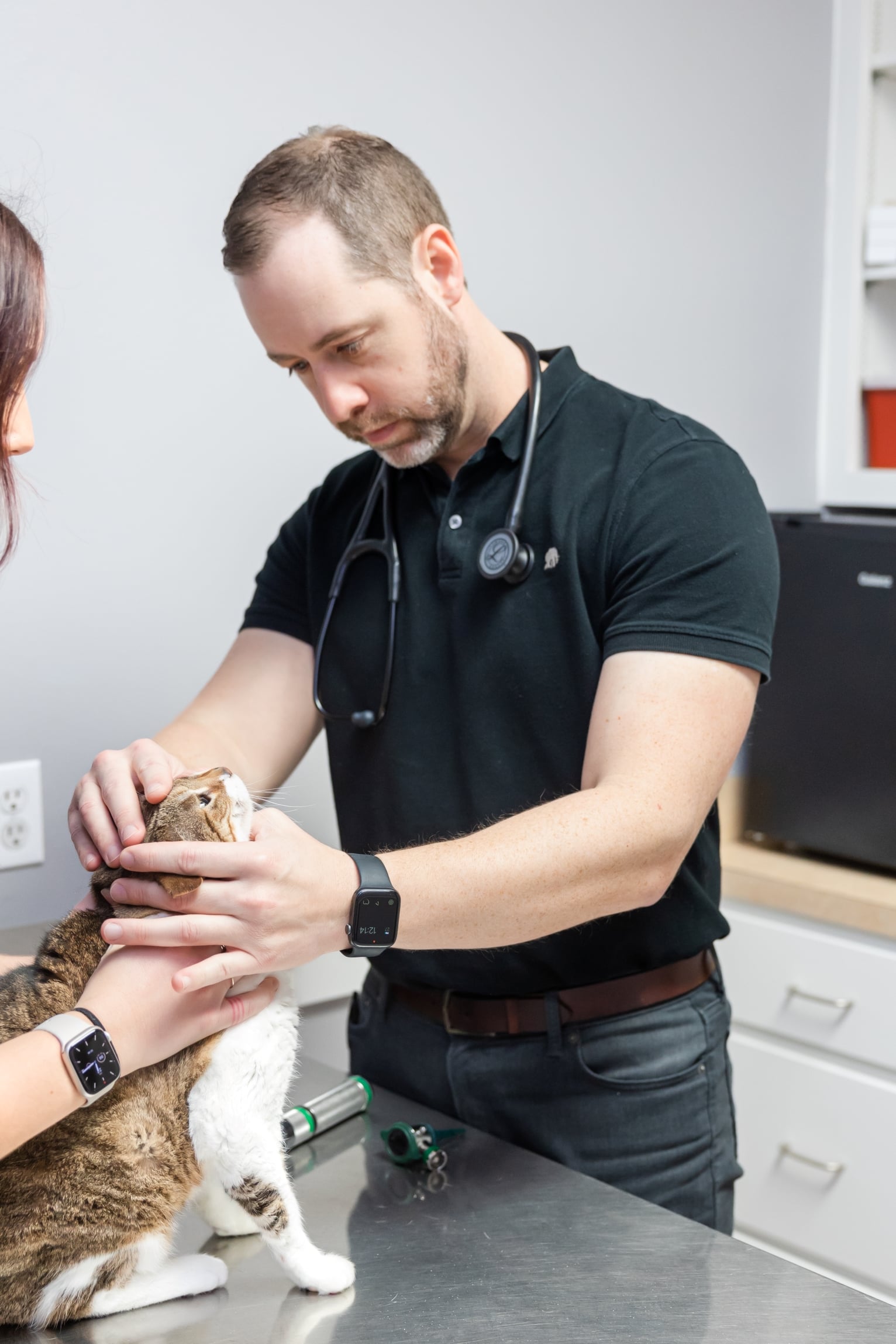
The Prairieville approach blends three core ideas: environmental management, pharmacologic and nonpharmacologic interventions, and careful communication with families. We tailor every plan to the individual animal and the unique dynamics of the household. A well-choreographed procedure begins days before the visit, continues during the appointment, and stretches into the days after, with routes for feedback and adjustments.
Environmental management means making the clinic feel more like a familiar place than a threatening one. Small changes can produce a measurable difference. This is not about turning the facility into a spa, but about removing obvious stressors and offering predictable routines. A common example is the waiting room experience. Some pets benefit from a quiet, dedicated cat or dog entrance, reducing cross-species commotion that can compound fear. Others thrive when a familiar bed or blanket from home accompanies them, providing a familiar scent and secure anchor. We have observed that the sense of control matters just as much as comfort. When a patient can hold still by choosing a position or a stimulus they can predict, anxiety can decline by meaningful margins.
For many pets, the most tangible improvements come through a calm, consistent veterinary team. Our staff values steady hand movements, clear but gentle communication, and deliberate pacing. The goal is not to overwhelm the patient with novelty but to introduce what they will experience gradually. It helps if the veterinarian speaks to the owner in practical terms, explaining what will happen and why, using plain language rather than clinical jargon. When families understand the plan, they become part of the solution rather than spectators to the process. This collaborative mindset creates a shared sense of purpose that often reduces tension for the patient.
Nonpharmacologic strategies, quietly effective, can transform the day of a clinic visit. Desensitization protocols, gentle massage in appropriate moments, and the strategic use of pheromone products are all pieces that fit into a broader, humane approach. Desensitization means exposing the animal to the clinic environment in manageable increments, rewarding calm responses, and avoiding escalation. A dog might first encounter the hallway carrel with the owner, then progress to the reception desk, and only later to a shorter exam room stay, each step followed by a reward. For cats, a strategy frequently used is to introduce the carrier as a normal, nonthreatening item rather than a prison cell. We often employ soft, ambient music, low lighting, and a predictable routine to minimize surprise. Across species, familiar smells help, whether through bedding from home or the presence of a trained service animal that remains calm in the room.
Pharmacologic intervention is not a universal solution, but it is a valuable option when anxiety is persistent, highly disruptive, or poses a risk to the animal or the veterinary team. Our veterinarians assess each case for the need and safety of anti-anxiety medications. The choice depends on species, age, overall health, and the specific triggers involved. Some patients respond to short-acting sedatives that allow a stress-free exam, while others benefit from longer-acting medications that provide a calmer baseline for multiple appointments. The important nuance is to communicate clearly about risks, benefits, and the plan. We never rely on a single medication to the exclusion of behavioral strategies, and we monitor any therapy's impact with care, looking for improvements that enable shorter visits and more accurate examinations.
Communication with families stands at the center of effective anxiety management. It is common for owners to carry guilt or frustration when their pet struggles in the clinic. We emphasize that anxiety is not a personal shortcoming of the animal or a failing on the family’s part. Rather, it is a natural response to stress that can be mitigated with consistent, compassionate care. Families who observe the process from the first visit often develop a sense of empowerment. They learn to read body language, recognize the early signs of stress, and implement the home pre-visit routines that make a real difference. This shared literacy—knowing when to proceed, when to pause, and how to reward calm behavior—can transform a tense encounter into a constructive experience for everyone involved.
Common situations reveal how versatile the anxiety management toolkit can be. A middle-aged bulldog with a history of harsh experiences in kennels may arrive hesitant, skin tight with tension, refusing to enter the room. The strategy involves short, repeated visits to our front desk area, then to a neutral space, slowly building a sense of safety. For a terrier mix who fears the scale and the undercarriage exam, we might begin with noninvasive checks conducted in the carrier, gradually moving to the table as confidence grows. A senior cat with chronic pain will often tolerate handling better when the context is framed as a gentle, careful assessment rather than a diagnostic ordeal. The goal is to preserve the animal’s dignity while attaining the necessary information and care.
To make these efforts tangible, consider how a typical appointment unfolds for a dog that experiences anxiety in the exam room. We begin with a pre-visit plan crafted in collaboration with the owner. If the dog has a history of escape attempts, we might arrange for a quieter check-in area, minimize hallway noise, and reassure the dog with a favorite toy or blanket. The carrier becomes a familiar, nonthreatening space, and the owner’s presence is leveraged to provide security. In the exam room, the veterinarian speaks in a calm, steady tone, gradually introducing the purpose of the visit and describing each step before it happens. If the dog shows signs of mounting stress, the team pauses, offering a brief break and perhaps a treats-based reward to anchor a positive association. As the visit progresses, we document the animal’s responses, adjust the pace, and ensure that the owner leaves with a clear understanding of what to monitor at home and what to expect for follow-up.
Cat visits often demand a different rhythm. The soundscape matters, as do the carrier’s design and the cat’s sense of control. A carrier with well-glued padding and a secure latch can feel like a safe cocoon, reducing the stress of transport. In the exam room, we avoid sudden grabs and instead use a slow approach, offering the cat a perch or a mat they can retreat to. If the cat tolerates only minimal handling, we prioritize what is essential for the exam and defer any nonessential maneuvers. We might opt for a quick weight check on the scale while the cat is in the carrier, then perform a light, nonintrusive assessment when the cat feels ready. Should the cat’s fear prove persistent, we discuss longer stabilization options including pre-visit medication or at-home enrichment protocols that prepare the animal for future exams.
The practical trade-offs are real. A calmer patient makes for a more accurate exam, safer restraint, and faster procedures, but it requires time, patience, and a willingness to adapt. Our team operates with that understanding every day. Sometimes this means delaying a vaccination or diagnostic procedure to a subsequent visit when the animal’s body language shows a better chance of cooperation. Other times it means consolidating multiple needs into a single gentle, efficient session so the animal is not subjected to repeated stress across several days. Each choice is informed by clinical judgment, not sentimentality, and it is supported by a clear dialogue with the family.
Two concise lists introduce practical touchstones you can apply at home and during clinic visits. They are not exhaustive, but they capture patterns we see consistently across our patient population.
Common anxiety triggers for pets in the clinic
- New environments and unfamiliar sights
- Loud sounds, such as vacuum cleaners or medical equipment
- Separation from the owner during the exam
- Previous negative experiences in medical settings
- Perceived lack of control or predictability over the process
Home and clinic strategies to ease anxiety
- Create a predictable pre-visit routine that signals success, such as a calm car ride and a favorite treat conditioned to calm behavior
- Use a carrier that feels safe, adding familiar bedding and a familiar scent from home
- Reinforce positive associations with gentle handling, short practices, and patient rewards
- Consider pheromone products or calming supplements after veterinary review
- Schedule longer, low-stress visits as a standard option for patients known to fear exams
These lists function as practical anchors, but they do not replace a tailored plan built with your veterinarian. At Prairieville Animal Hospital, we encourage families to share details that shape the plan—pet routines, triggers noticed at home, past reactions to examinations, preferred comforting objects, and any medications your pet already takes. With those inputs, we craft a visit structure that minimizes stress while keeping essential care on track.
If your pet has a history of anxiety, a proactive approach pays dividends. Our veterinarians often start with a consultation that explores the animal’s daily routine, the home environment, and any recent changes in behavior. A shift in appetite, sleeping patterns, or play activity can signal rising anxiety that warrants a closer look. Sometimes, the best plan begins with small, harmless steps, such as a brief at-home exam or a short visit to the clinic for a low-stress handling session. Over time, these tiny wins accumulate, easing the path to more involved care when needed. We watch for signs of improvement, like a reduced heart rate, smoother movements, and fewer tense muscles during handling. When those indicators appear, we adjust the plan, perhaps increasing the duration of desensitization exercises or revising the reward system to better match the animal’s motivations.
The clinic experience is not just about the patient; it involves the family as well. Owners bring more than medical history when they step into Prairieville Animal Hospital. They bring routines, voices, and the daily rituals that define the pet’s emotional world. Our team listens for cues in those stories and translates them into practical steps. If a family knows they will be stuck in traffic on the way to an appointment, we can offer a flexible arrival window so the animal does not experience the stress of waiting in a crowded lobby. If a dog has a favorite blanket or toy, that object can travel with the pet to the clinic, providing a portable anchor. The more families participate in the plan, the more likely the animal will respond positively to the care provided.
Another layer of nuance emerges with the aging patient who has accumulated fear and frustration over the years. Senior pets may have multiple medical concerns that require careful handling during exams and procedures. The aging process can heighten sensitivity to touch and restraint, as joints stiffen and muscles lose flexibility. In these cases, a slower tempo and gentler technique are essential. We often pair a gentle palpation approach with short, clear explanations for the owner about what we are assessing and why it matters. The veterinarian will frequently pause to check the animal’s tolerance and to offer a reward that reinforces calm behavior. The aim is not to rush the exam but to secure the necessary information without escalating discomfort or fear.
There is a strong ethical dimension to how we address anxiety. Dignity, safety, and compassion guide every decision. We recognize that fear is a natural part of life for many animals and that forcing a fearless demeanor on a patient can be harmful. The restraint methods we employ—whether minimal contact handling for a quick check or the careful use of a muzzle in specific contexts—are chosen to maximize safety while preserving the animal’s dignity. If there is any question about whether an approach is humane or effective, we pause and reassess. The welfare of the patient is not negotiable, and we aim to partner with families to keep care humane, precise, and efficient.
Communication channels extend beyond the exam room. A good relationship with Prairieville Animal Hospital means ongoing dialogue about anxiety management, even on days when a visit seems straightforward. For some families, that means a quick weekly phone call or a message thread with updates on home desensitization progress. For others, it means a more formal plan with scheduled follow-ups to check on progress and make adjustments. We encourage families to share successes and setbacks alike, because both inform the next step. The clinic becomes not only a place for care but a resource for learning and adaptation as the pet grows older and the household’s routine evolves.
The value of measuring progress should be tangible. We do not rely on vague impressions when monitoring anxiety. Instead, we look for concrete signs such as reduced trembling, longer periods of calm behavior in the exam room, smoother transitions from car to reception to assessment, and a decrease in the need for sedation or restraint in routine visits. When medications are used, we track outcomes with the same rigor applied to any medical treatment. If the current plan does not yield the desired improvements within a reasonable timeframe, we revisit the approach with the family, adjusting targets and timelines. This iterative process reflects the reality of dealing with anxiety inside a clinical setting and demonstrates our commitment to improving the patient’s experience while preserving the integrity of medical care.
Deep listening remains at the heart of our practice. We want families to feel heard, to trust that their pet’s comfort is our priority as much as any diagnostic result. It is not about winning a battle of wills in a single appointment; it is about building a durable relationship in which the animal can feel secure enough to participate in essential care over the long term. When families recognize that their observations are valued and that the clinic respects their insight, the collaborative energy becomes a powerful force. It turns stressful visits into shared projects with measurable, meaningful outcomes for the patient.
In the end, anxiety is not an endpoint. It is a condition to manage, a variable to guide as carefully as any blood test or imaging study. The goal is not perfection but progress, a steady reduction in fear that allows for better health care, stronger bonds, and a higher quality of life for pets and their families. Prairieville Animal Hospital has built a practice around this principle. We are not merely treating symptoms; we are supporting relationships that define what it means to care for animals in a modern veterinary setting. The clinical tools are important, but the human connection—empathy, patience, and clear communication—makes all the difference.
If you are preparing for a visit and want to maximize the chances of a calm, successful appointment, consider starting the conversation with your veterinarian about a plan tailored to your pet. Bring notes about triggers you observe at home, any successful strategies you have already tried, and a clear picture of your pet’s daily routines. Mention specific events that tend to ramp up anxiety, whether it is the anticipation of a car ride, the sight of other animals, or the sound of the clinic doors opening. The more precise your observations, the easier it becomes to design a visit that minimizes stress while still delivering essential care. And remember, there is no rush to fit everything into one visit. Some animals will progress in small steps, while others may require a longer-term plan. The important thing is to keep the dialogue open and the focus on humane, respectful care that honors the animal’s experience.
At Prairieville Animal Hospital, the work of dealing with pet anxiety is a continuous practice. It evolves with each patient we see and with each family we partner with. We have learned that the most effective care blends a thoughtful environment, a menu of supportive strategies, and a shared commitment to the animal’s well-being. The results are not only measured by test outcomes but by the quiet, almost invisible shifts in a pet’s day-to-day life—a dog who greets the clinic doors with curiosity rather than fear, a cat who rides in a carrier with minimal tension, a senior rescue who accepts a routine check without the weight of prior trauma dulling their senses. These are the successes we pursue, the real proof that anxiety management in veterinary care is both possible and deeply meaningful for the people and animals we serve.