Your Veterinarian Near Me Checklist: Prairieville Animal Hospital Edition
Finding a veterinarian you trust is more than a transaction. It’s about a daily, practical rhythm: timely appointments, clear communication, and care that fits real life. This guide draws on years of working with pet families who want straightforward, dependable veterinary service. If you’re cruising for a clinic near you and you’ve landed on Prairieville Animal Hospital, you’ll notice the emphasis is on accessibility, consistency, and a practical approach to preventive care. The following sections walk through a grounded, real-world checklist aimed at helping you evaluate a clinic’s fit for your animal companion.
Why a thoughtful vet choice matters
Pets don’t come with a manual. They arrive with moods, quirks, and histories that make every visit a bit different. The right clinic becomes a partner in keeping a pet’s life steady. When you have a clinic that communicates well, you’re more likely to stay ahead of issues that could become bigger later on. This matters especially in prairie environments where seasonal changes can influence pet behavior and health, from hydration needs to parasite exposure. A strong clinic near you will balance appointment availability with the headroom to handle urgent concerns, while keeping preventive care on a sustainable schedule.
At Prairieville Animal Hospital you’ll often find a practical sensibility married to clinical know-how. The value isn’t in splashy promises but in consistent performance: clean facilities, knowledgeable staff, transparent pricing, and a willingness to explain options in plain language. For busy households, that translates into less friction during routine visits and more confidence when the unexpected happens.

What to look for when choosing a clinic
A good vet practice earns trust through a daily pattern of reliable care, courteous communication, and clear boundaries around what they can handle in a given visit. When you’re evaluating a clinic, start with a few concrete signals. Look for a client-first tone in person and in writing, a straightforward approach to vaccines and exams, and a readiness to partner with you on a care plan. The objective is to leave each appointment with a practical plan you can implement at home and a sense that your pet’s health is being tracked over time.
Three practical anchors help you gauge a clinic quickly: accessibility, care philosophy, and transparency. Accessibility means reasonable appointment times, a location that’s easy to reach, and staff who answer questions without rushing you. Care philosophy reflects how the team weighs preventive care against reactive treatment, how they approach chronic conditions, and how they tailor recommendations to your pet’s age and lifestyle. Transparency covers pricing clarity, the level of detail in treatment explanations, and the availability of written care plans or after-visit summaries. When Prairieville residents compare clinics, these anchors often separate the dependable option from the many that merely seem convenient.
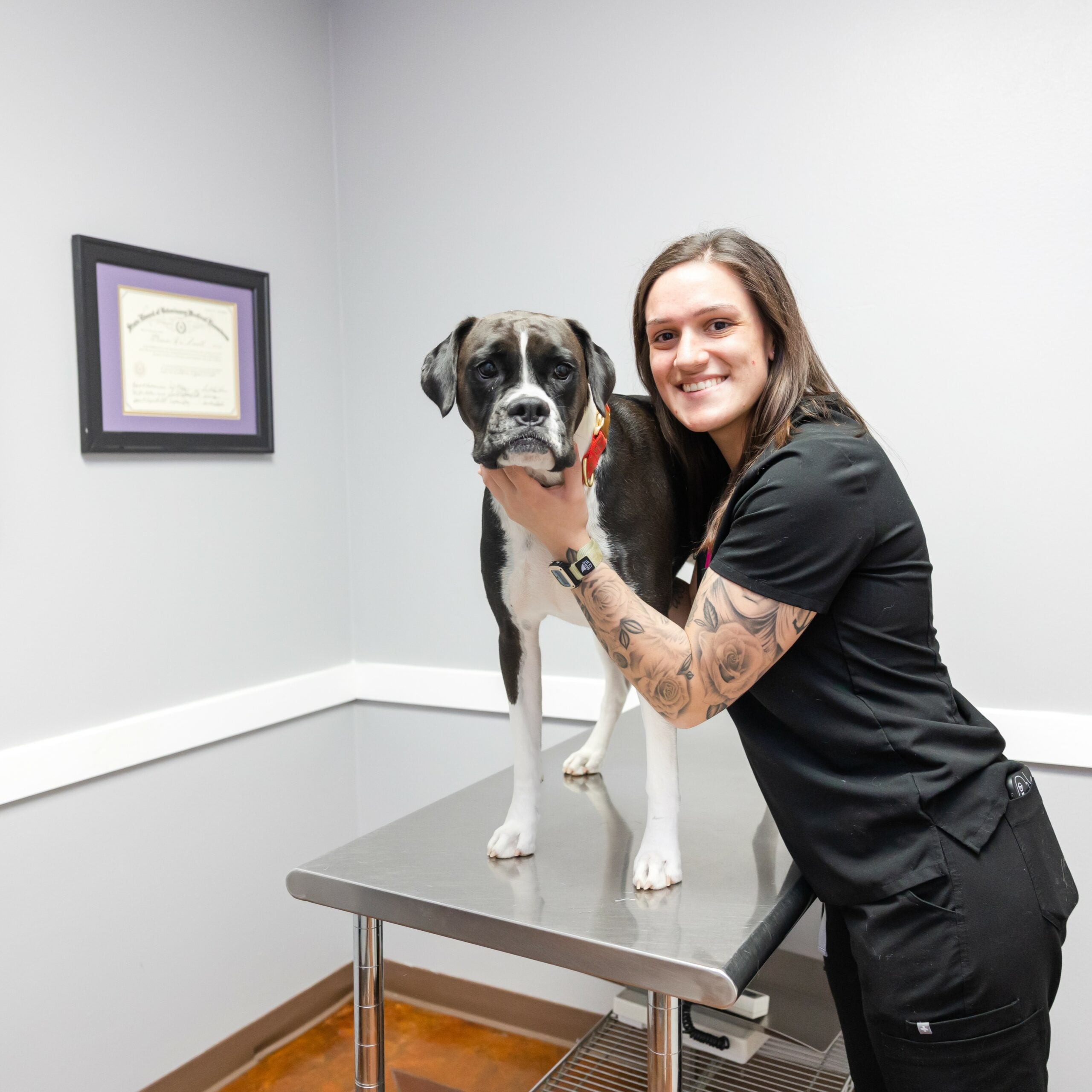
If you’re juggling multiple clinics near Prairieville, keep a few moments for a quick test run. Call to gauge the receptionist’s tone and knowledge. Ask about how they handle same-day emergencies, or how you get updates if your pet needs admission for overnight care. A clinic that can describe their process with specificity tends to maintain that clarity in every visit. Over time, you’ll notice how these habits accumulate into a smoother experience for you and your animal.
The daily realities of preventive pet care
Preventive care is where a lot of value hides in plain sight. It isn’t just vaccines and annual exams; it’s a structured plan that grows with your pet. A good program maps age milestones, lifestyle indicators, and risk factors to an actionable, affordable schedule. It considers dental health, which quietly drives overall well-being, as well as obesity management, a surprisingly common issue that shortens a pet’s healthy years if ignored.
From a practical perspective, expect a clinic near you to lay out:
- a vaccination plan aligned with your pet’s species, age, and exposure risk
- routine blood work when indicated, with a clear rationale for why
- parasite prevention strategies that fit your climate and living situation
- dental care guidance that includes home-care routines and in-clinic options
- lifestyle-specific recommendations, such as weight management and exercise targets
The value of preventive care becomes clear when you track changes across visits. Many clinics use reminders for vaccines, dewclaw trims, or dental cleanings so you don’t have to memorize every milestone. The outcome is a pet that remains healthier with fewer emergency visits, and you as a owner who feels empowered rather than overwhelmed.
A realistic look at senior pet care
Senior pets often require a shift in emphasis. The tail end of a pet’s life cycle brings different issues, such as arthritis, kidney function concerns, or cognitive changes. A clinic that foregrounds senior care tends to schedule a comprehensive annual assessment that includes labs, a physical exam, and a conversation about comfort and mobility. The goal is to catch subtle shifts in energy, appetite, or gait before they become limiting.
In practice, expect discussions about:
- kidney and liver function, with reference ranges and what they imply for treatment
- mobility support, including weight management and joint health strategies
- cognitive health screening, to flag early signs of confusion or disorientation
- dental health as a window into systemic well-being
- end-of-life considerations and humane comfort-focused options when appropriate
A pragmatic veterinary partner will not push bravado or shortcuts. They will present a menu of options with practical considerations like cost, time, and impact on quality of life, and they will revisit the plan as the pet’s needs evolve.
Boarding and the comfort of home away from home
If you travel or simply need daytime care, boarding becomes a part of responsible pet ownership. The best boarding setups feel like a natural extension of the clinic’s daily practice: staff who understand your pet’s routine, a clean environment, and clear rules that keep animals calm and safe. A well-run boarding experience respects your pet’s temperament, provides the right level of enrichment, and communicates any changes in eating, drinking, or energy levels during the stay.
From a practical angle, consider what to bring for boarding: a familiar blanket, a few of your pet’s favorite toys, current vaccination records, and a written care plan that covers medications if needed. Ask about the facility’s daily schedule, feeding policy, and how they manage medical emergencies at night. You want a setting that preserves your pet’s routine as much as possible while staying attentive to any warning signs that would warrant a call to you.
Prairieville Animal Hospital tends to emphasize transparency around boarding needs. They’ll often outline what constitutes a healthy boarding environment, what accommodations are available for dogs and cats, and how they handle medications or special diets. A practical approach here reduces stress for both you and your pet, which translates into easier departures and smoother returns.
The practical price reality
Affordability does not mean cutting corners. It means recognizing where you can balance cost with quality and understanding where to invest for long-term value. A trustworthy clinic will offer transparent pricing for vaccines, exams, and routine services, along with clear notes on what might drive variable costs up or down. For many households, preventive care is a wise investment that reduces costly emergencies down the line. It’s the difference between catching a small issue early and dealing with a larger, more disruptive problem later.
When you’re planning finances around care, look for:
- itemized estimates before non-emergency procedures
- a straightforward policy on vaccines and annual wellness checks
- options for routine dental cleaning and at-home care guidance
- a clear procedure for medication refills and chronic condition management
- information on how to navigate urgent care outside regular hours
The right clinic presents these details as part of the conversation, not after you’ve already agreed to a course of action. You deserve a sense of where your money goes and why a plan is recommended. In the overall arc of a pet’s life, the conversations you have about cost should feel honest and actionable.

A practical tour of services you might expect
A well-rounded clinic near you should cover a spectrum of essential services with competence and ease. At Prairieville Animal Hospital you’ll notice a focus on core offerings that align with everyday needs: preventive care, illness management, dental health, and a clear pathway for life-stage care. The environment should feel orderly, with exams conducted in clean spaces, and staff who explain procedures with direct language so you understand both the what and the why.
Common touchpoints during a visit include:
- a thorough physical exam that checks weight, coat condition, eyes, ears, and teeth
- vaccination administration with a shareable plan for future visits
- parasite screening and prevention tailored to your pet’s lifestyle
- routine lab work or follow-up testing when indicated by age or symptoms
- a discussion of nutrition, exercise, and behavioral considerations that affect health
In practice, the strongest clinics combine a calm, organized approach with a clear willingness to tailor recommendations. You should leave with a written plan or a care summary that you can reference at home. A clinic that follows up on test results or treatment decisions helps you stay engaged in the daily care of your pet.
What to do during and after a visit
A good visit yields more than a diagnosis. It sets the stage for ongoing care, with you as an active participant. When you’re in the exam room, come prepared with questions you’ve saved up since your last visit. For example, if your dog’s energy dips in the late afternoon, you might ask whether that could be a sign of a chronic condition or simply a seasonal shift. If your cat has a stubborn appetite, you’ll want to understand whether diagnostic steps or a dietary adjustment could help.
After the appointment, the written summary becomes your reference. It should include: the diagnosis, the plan, what medications were prescribed, potential side effects to watch for, and a suggested timeline for a return visit or diagnostic follow-up. If you’re boarding during a trip, you’ll appreciate a similarly clear rundown about feeding schedules, medication administration, and how cancellations or changes are handled.
When a clinic near Prairieville feels like a partner
A clinic that becomes a partner earns that status through reliable communication and demonstrated care. Routine calls or emails to share test results, remind you of vaccines, or confirm appointment details create a sense of continuity. Beyond that, a veterinary team with a practical bedside manner meets you where you are—whether you’re juggling multiple pets, dealing with a demanding work schedule, or navigating a new diagnosis with a lot of questions.
That sense of partnership is especially important in communities like Prairieville, where pets often share outdoor spaces and engage in more varied activities. The right clinic will acknowledge the realities of that environment and offer guidance that respects your pet’s daily life. They’ll help you weigh risks and benefits, balancing what is clinically recommended with what fits your budget and your family’s routines.
A concise checklist you can carry
To keep your decisions grounded, here are two compact lists you can reference when you’re evaluating clinics or planning a visit. Each list is deliberately short to keep you focused on practical, actionable items.
-
What to ask when you call or visit
-
appointment availability that fits your schedule
-
clarity about vaccines and what’s recommended at this stage of life
-
how they handle urgent concerns and after-hours options
-
the process for obtaining a written care plan or cost estimate
-
whether they offer boarding and what the terms are
-
What to bring on your first boarding or exam visit
-
current vaccination records
-
a list of any medications and doses your pet receives
-
a few familiar items like a blanket or toy to reduce anxiety
-
your contact information and an emergency contact
-
a note about your pet’s routine, appetite, and energy level
These prompts are designed to keep conversations productive and to help you compare clinics without getting lost in marketing language. If Prairieville Animal Hospital feels you can rely on their responses to these questions, that is often a strong signal you’ve found a clinic that fits your household.
Final thoughts
Choosing a veterinarian is a practical decision grounded in everyday realities. It’s about the ability to book a timely appointment, to receive clear explanations, and to maintain a long-term care plan that grows with your pet. It’s also about the comfort of knowing you are supported during travel, illness, and the ordinary demands of pet ownership. The right clinic near you makes the life you share with your animal companion simpler, more predictable, and ultimately healthier.
If your search leads you to Prairieville Animal Hospital, you’ll likely find a clinic that emphasizes steady, straightforward care. The focus is on preventive strategies, careful management of aging pets, and compassionate handling of boarding needs. The real test, after all, is not the first impression but the consistency of care across many discover more visits, the speed and clarity of communication, and the degree to which you feel you are a partner in your pet’s health. That is where a clinic earns its keep and where your pet’s well-being benefits most.